

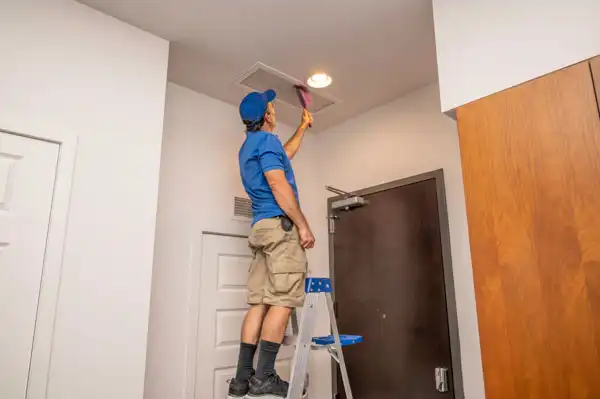
Many older properties in White Plains, NY, Westchester County, and Fairfield County lack the wall cavities and basement clearance needed for traditional ductwork. When you need effective solutions for heating homes without ductwork, you do not need to tear into your ceilings or sacrifice your architectural details to install bulky metal trunks. Several proven options deliver steady warmth throughout the winter without demanding extensive structural modifications. Every home presents unique heating challenges. This guide examines reliable choices for ductless systems, including compact high-velocity setups, versatile heat pump units, and dependable hydronic boilers.
High-Velocity Systems: Small Ducts for Tight Spaces
High-velocity heating relies on a specialized air handler paired with flexible, small-diameter tubing rather than wide sheet-metal ducts. These narrow flexible tubes allow technicians to route lines through existing stud bays, above ceilings, and beneath floorboards without destroying historical plaster or finished woodwork. The air handler pushes warm air through subtle, round supply vents that blend directly into walls or floors. Because the air enters the living space under gentle pressure, it rapidly mixes with existing room air to eliminate drafts and cold pockets.
How High-Velocity Heating Operates
A high-velocity setup couples a compact indoor blower with an outdoor heat pump or a hydronic heating coil. The blower drives heated air through insulated mini-ducts under pressure, which creates an aspiration effect inside each room. This mixing action circulates warm air evenly from floor to ceiling, preventing warm air from stalling near the ceiling. The compact equipment fits neatly into attics, closets, or crawlspaces where standard furnaces cannot go. Homeowners gain full central air performance along with year-round temperature control, since these systems also supply cooling during hot summer months.
Ideal Applications for Historic and Architecturally Unique Homes
Many residences across New York and Connecticut feature stone foundations, timber framing, or exposed beams that rule out conventional duct installations. For these structures, high-velocity systems offer an ideal compromise between modern performance and historic preservation. Our technicians route the flexible tubing around structural obstacles with minimal wall penetrations, protecting the original character of your home. You receive quiet, continuous warmth throughout the winter while maintaining every detail of your interior architecture.
Ductless Heat Pumps: Flexible Room-by-Room Control
A popular approach to heating homes without ductwork involves installing ductless heat pumps. These setups use an outdoor condenser connected to indoor air handlers via a narrow conduit that carries refrigerant lines, drainage tubing, and electrical wiring. Technicians only need to drill a small opening through an exterior wall to link the outdoor and indoor components. Indoor air handlers mount high on living room walls, tuck into ceilings, or sit low along baseboards, providing versatile placement options for every floor plan.
Independent Temperature Management with Zoned Heating
Every indoor head on a ductless mini-split system features its own thermostat, making true zoned heating simple to achieve. You can keep frequently occupied bedrooms comfortably warm at night while keeping empty guest rooms or dining areas cooler during off hours. That level of control reduces energy waste. Multi-zone configurations allow a single outdoor unit to support multiple independent indoor handlers across different floors.
Year-Round Heating and Cooling Capabilities
Modern cold-climate heat pumps extract thermal energy from outdoor air even when outdoor temperatures drop well below freezing. Reversible refrigerant valves allow these units to switch between heating in the winter and whole-home cooling in the summer. Variable-speed inverter compressors adjust their output continuously to match the heating demand of your living space rather than cycling completely on and off. That steady operation creates consistent temperatures, eliminates sudden drafts, and maintains quiet indoor conditions during freezing winter nights.
Modern Boilers: Reliable Hydronic and Radiant Heat
Hydronic equipment remains one of the most durable methods for heating homes without ductwork across New York and Connecticut. Modern boiler heating systems heat water and circulate it through copper or PEX pipes to cast-iron radiators, baseboards, or underfloor tubing networks. Water transfers heat far more efficiently than forced air, delivering deep, comfortable warmth that does not dry out interior air. Hydronic heat feels remarkably steady. Because water-based setups do not blow air through duct channels, they keep dust, pet dander, and other indoor air quality particles from circulating through your living spaces.
Cast-Iron Radiators and Baseboard Convectors
Upgrading an outdated boiler while retaining your existing cast-iron radiators or fin-tube baseboards provides exceptional comfort without invasive renovation work. High-efficiency condensing boilers capture heat from exhaust gases that older units lose up the chimney, significantly improving operational performance. Technicians can replace corroded supply valves, balance heating loops, and install modern zone valves to manage individual floors. Cast-iron radiators retain heat for long periods, continuing to release gentle warmth into rooms even after the boiler shuts down its burner.
In-Floor Radiant Heating Options
Installing radiant heating beneath tile, stone, or engineered wood floors turns the entire floor into a low-temperature heating element. Flexible tubing carries warm water directly underneath floorboards, allowing warmth to rise naturally into living spaces where people walk and gather. In-floor systems eliminate unsightly wall equipment and provide silent, uniform heat with zero drafts or cold spots. This approach works exceptionally well in ground-floor renovations, additions, or full remodels where you want invisible heating that preserves full wall space for furniture.
Choosing the Right Ductless Heating Solution
Selecting the best system depends on your existing setup, architectural constraints, and long-term heating requirements. If your home has an operational boiler and radiator distribution, upgrading to a high-efficiency condensing unit delivers superior thermal efficiency without major remodeling. When you want both heating and air conditioning from a single installation, ductless heat pumps offer flexible zoning without requiring any duct placement. High-velocity systems remain the preferred choice for homeowners who want completely concealed distribution and central cooling alongside dependable heating.
A comprehensive heating installation assessment helps determine the proper heating capacity for your floor plan. Proper heat-loss calculations ensure that equipment matches your home’s square footage, insulation levels, and window efficiency. Choosing the right equipment configuration provides balanced winter warmth, lower energy consumption, and peace of mind for years to come.
Schedule an In-Home Heating Consultation
Sila Heating, Air Conditioning & Plumbing has served homeowners throughout White Plains, NY, Westchester County, and Fairfield County since 1989. Our licensed professionals dispatch directly from White Plains to evaluate your living space, calculate exact heating loads, and recommend the ideal system for your floor plan. We provide upfront pricing, next day installation on qualifying equipment, and reliable ongoing service to keep your equipment running smoothly through the coldest weather.